Changes in the work of email marketers
With the rapid development of Internet and digital technology, great changes have taken place in the field of marketing. When we look at the impact of digitization on the career path, email marketing is a profession worthy of our attention. Email marketing is undoubtedly the oldest digital marketing channel, and it is a catalyst for the Internet marketing revolution. By some estimates, email as a marketing tool has been around for at least 40 years (Wozniak, 2018). This makes it a great example of how a job will change in the age of the digital economy. Before we look at the trend of the profession of a email marketer, let’s start with the development of email marketing.
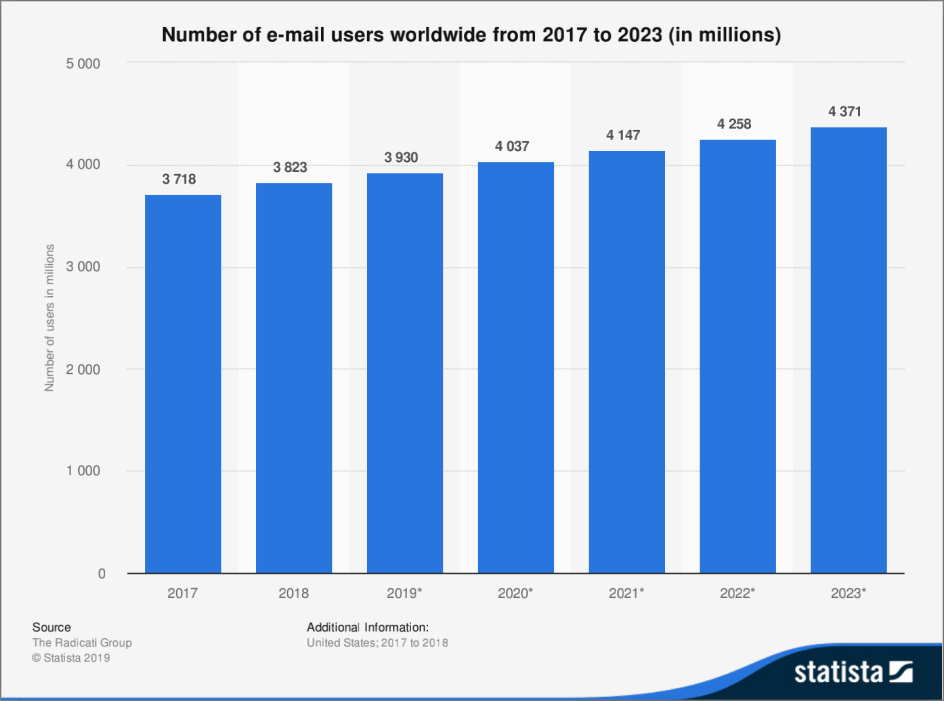
Email has a large number of active users. According to the report of Statista(Clement, 2019), email users worldwide have reached 3.9 billion in 2019, and this number is expected to increase to more than 4.3 billion in 2023. What a surprising number, email actually plays an important role in our online life. When we first went online using Google Chrome, we needed to enter an email address to create an account. We even need an email address to create a social media (like Facebook) account. The widespread use of email makes it an important marketing tool for marketers to reach customers.
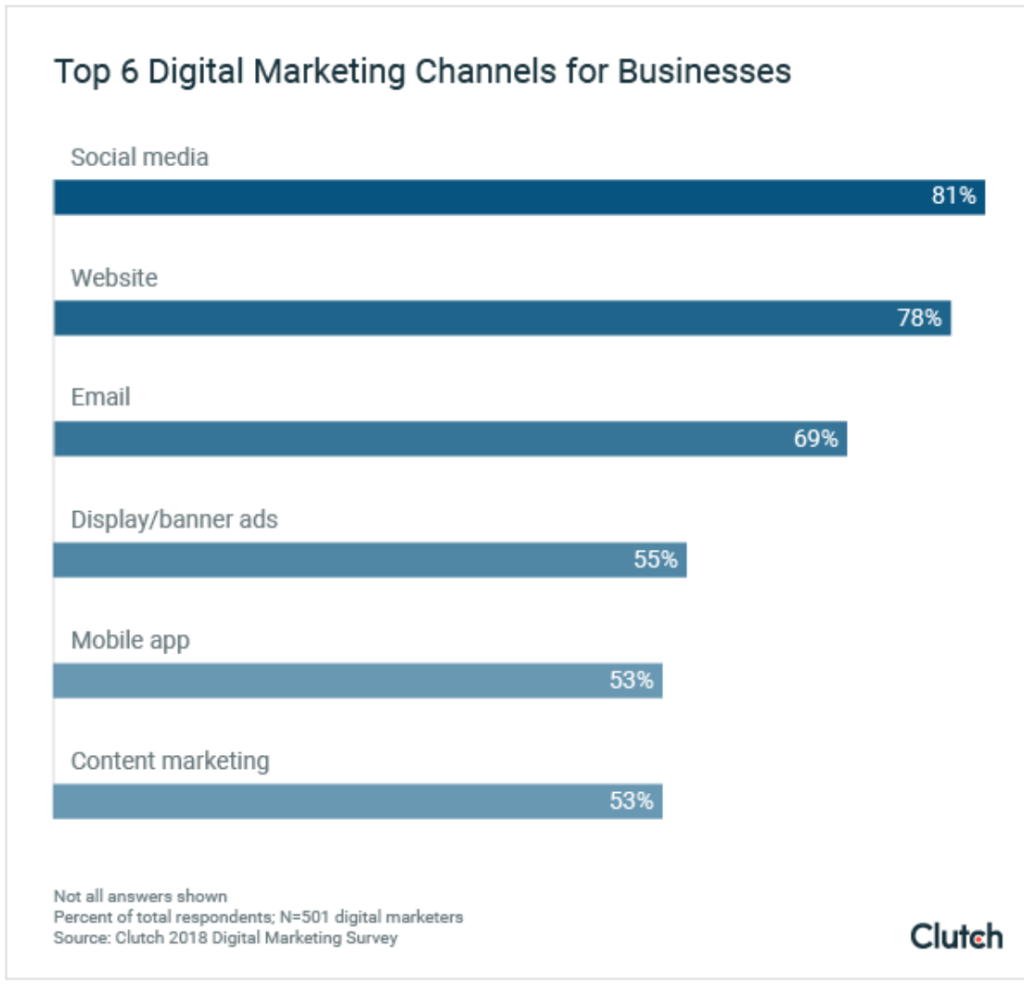
According to a recent survey, social media marketing, website and email marketing are the three digital marketing channels most commonly used by businesses in 2018(Herhold, 2018).
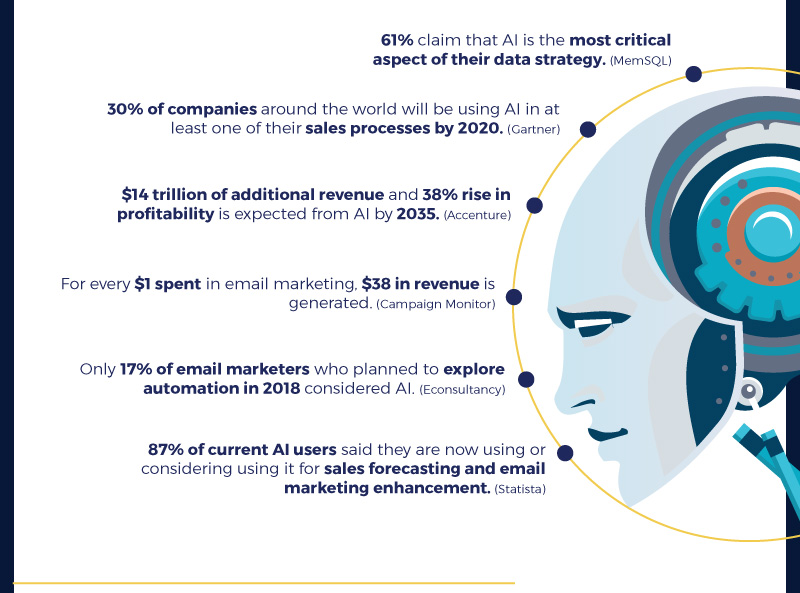
The data from Campaign Monitor(2019) shows that as of 2018, approximately 124.5 billion commercial emails were sent and received daily, and approximately 111.1 billion consumer emails were sent and received daily. Despite the explosive growth of new technologies and digital platforms, email marketing remains essential. The reason is clear that email marketing has a high return on investment(ROI).
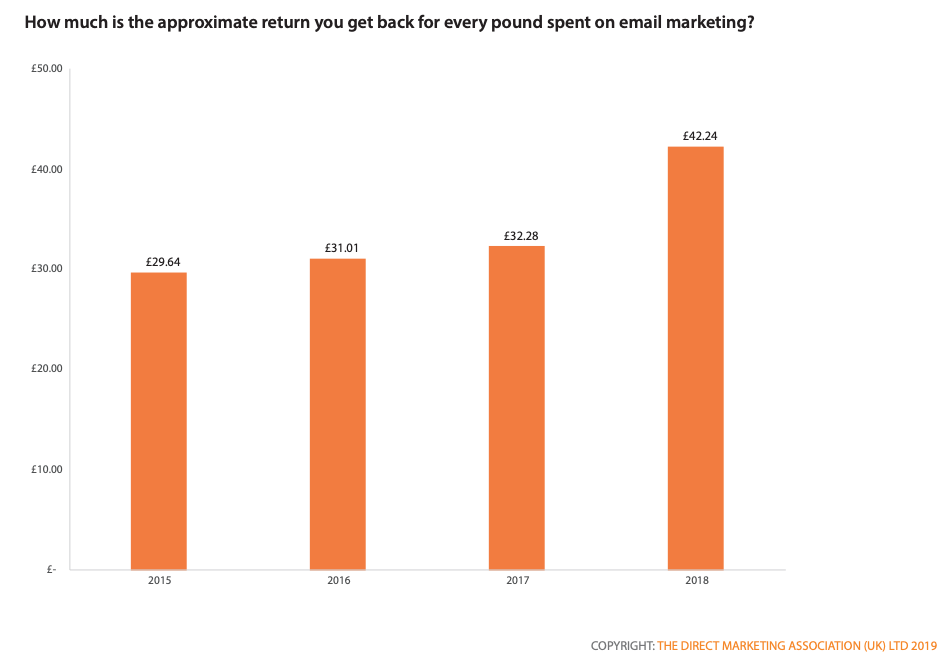
According to the Marketer email tracker 2019 report, email marketing has a return on investment (ROI) of £ 42.24 for every £ 1 spent in 2018.
And this also shows that email marketing still plays a very important role in the digital economy. To be able to market more effectively to specific customers, this requires changing the role of the email marketer.
The daily business of email marketers has changed under the influence of digital technology. And this profession is a good example of how technological advancement can better help us get the job done instead of replacing us.
Nowadays, there are various email marketing automation tools such as Mailchimp, ActiveCampaign and Hubspot to assist email marketers in their work. Email marketers only need to enter some key information on these automated platforms to complete the editing and sending of emails.
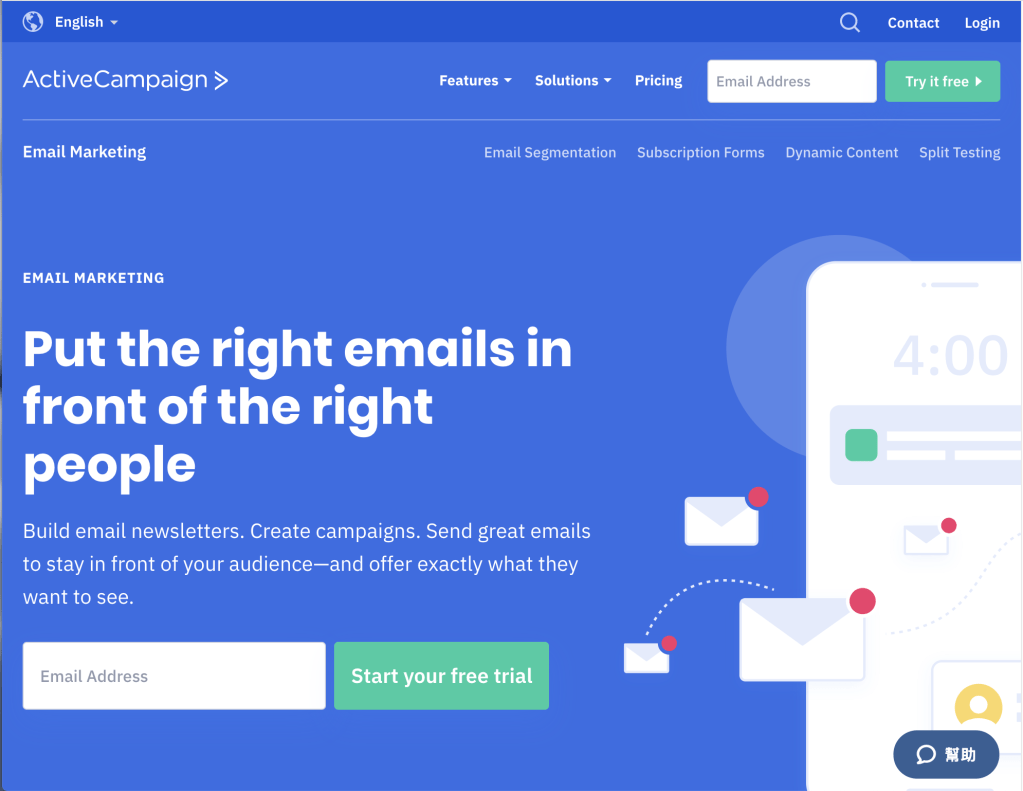
Taking ActiveCampaign as an example, it not only has excellent email automation capabilities, such as helping you build and manage email lists, and personalizing content based on the details and history of each contact. What’s more, it can also integrate with your CRM for marketing automation.
In addition, there are more and more technological innovations to continuously optimize email marketing to enhance the personalized experience. It is necessary to mention Phrasee, an artificial intelligence(AI)-based email marketing platform here.
This tool uses artificial intelligence to analyze and predict which marketing languages will be most effective in attracting your subscriber, and then generate and optimize email subject lines to bring more open, clicks and conversions to the emails you send. With the help of Phrasee, email marketers can create more personalized email copy by analyzing and predicting the needs and desires of subscribers intelligently rather than intuitively.
Obviously, technological innovation has simplified the work of email marketers, helping them analyze and predict customer needs more accurately, thereby creating more value for customers and organizations.
In the future, intelligence and automation will be the way to further change the role of email marketers.
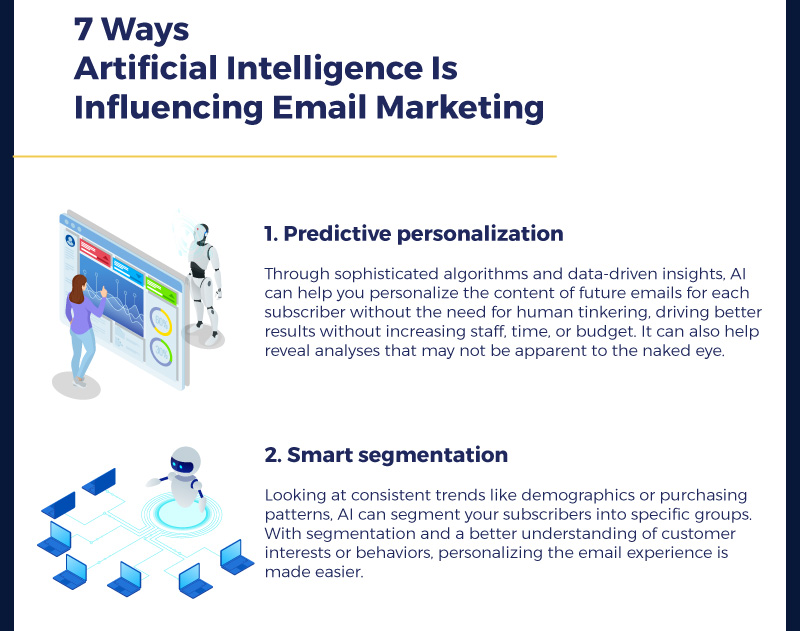
Today, artificial intelligence and machine learning have gradually been integrated into our work, and they will have a great influence on the work of email marketers in the future. As Beck(2019) said, artificial intelligence and machine learning are reshaping email marketing efforts. The applications of artificial intelligence and machine learning in the field of email marketing are: analyzing subscribers behavior and generating data-driven insights, intelligent segmentation of subscribers, optimizing the subject and text content of emails, and more.
Since then, email marketer workflow can be greatly simplified, and more importantly, they can get better subscriber insights and then to customize a personalized experience that meets the wants of their subscribes. According to Vrountas(2019), 74% of marketers say that personalization of targeted messages and emails can increase customer engagement.
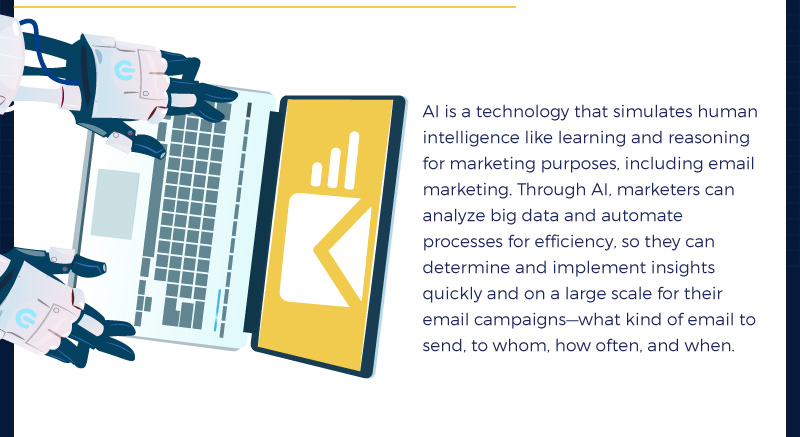
Take a look at the following infographic, which shows how artificial intelligence is transforming email marketing:
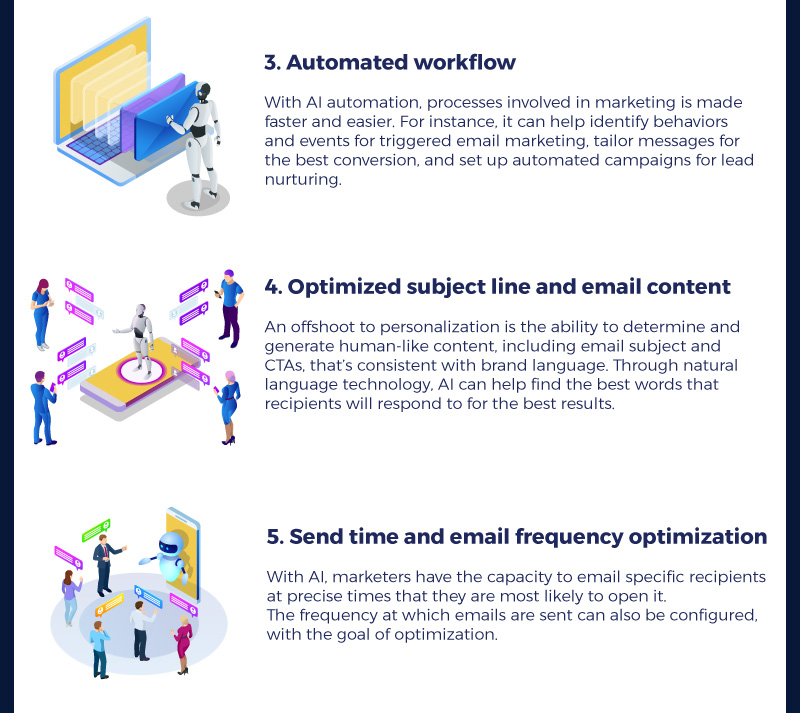
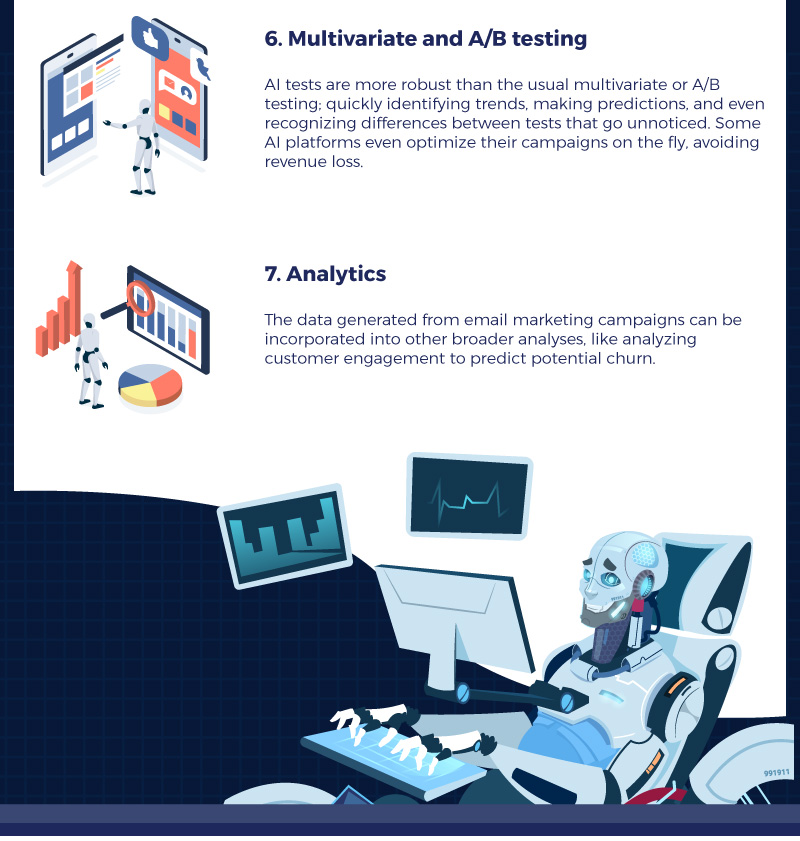
To sum up, the work of email marketers will gradually move towards automation and intelligence. Supported by various intelligent platforms and technologies, email marketers can understand their subscribers’ wants faster and more deeply, and then create personalized experiences for them. And this requires email marketers to constantly learn to improve their ability in order to adopt and apply the latest technology in their work.
References:
Beck, C. (2019). How AI and Machine Learning is Reshaping Email Marketing. Retrieved from https://tweakyourbiz.com/marketing/e-mail-marketing/machine-learning
Clement, J. (2019). Number of e-mail users worldwide 2017-2023. Retrieved fromhttps://www.statista.com/statistics/255080/number-of-e-mail-users-worldwide/
Campaign Monitor. (2019, 21 May). The Shocking Truth about How Many Emails Are Sent. [Weblog] Retrieved fromhttps://www.campaignmonitor.com/blog/email-marketing/2019/05/shocking-truth-about-how-many-emails-sent/
Herhold, K. (2018). How Businesses Use Digital Marketing in 2018. Retrieved fromhttps://clutch.co/agencies/digital-marketing/resources/how-businesses-use-digital-marketing-2018
Vrountas, T. (2019). 68 Personalization Statistics Every Digital Advertiser Must Keep in Mind. Retrieved fromhttps://instapage.com/blog/personalization-statistics
Wozniak, T. (2018). What We Can Learn From Email Marketing’s 40-Year Evolution. Forbes. Retrieved fromhttps://www.forbes.com/sites/forbesagencycouncil/2018/06/12/email-is-not-dead-its-evolving/#3d94fdbe7545
 Green's Blog